


Insights from our AI & Data Entrepreneur in Residence on commercial readiness, scaling innovation, and the strengths he sees in Manchester’s researchers.
Peter Evans, our Entrepreneur in Residence for AI and Data, has built his career at the intersection of deep tech and real‑world impact. He shares how curiosity turned into entrepreneurship, what scaling data systems really demands, and the signs that show when research is ready for market – along with why he’s confident in Manchester’s research impact potential. Read the interview below.
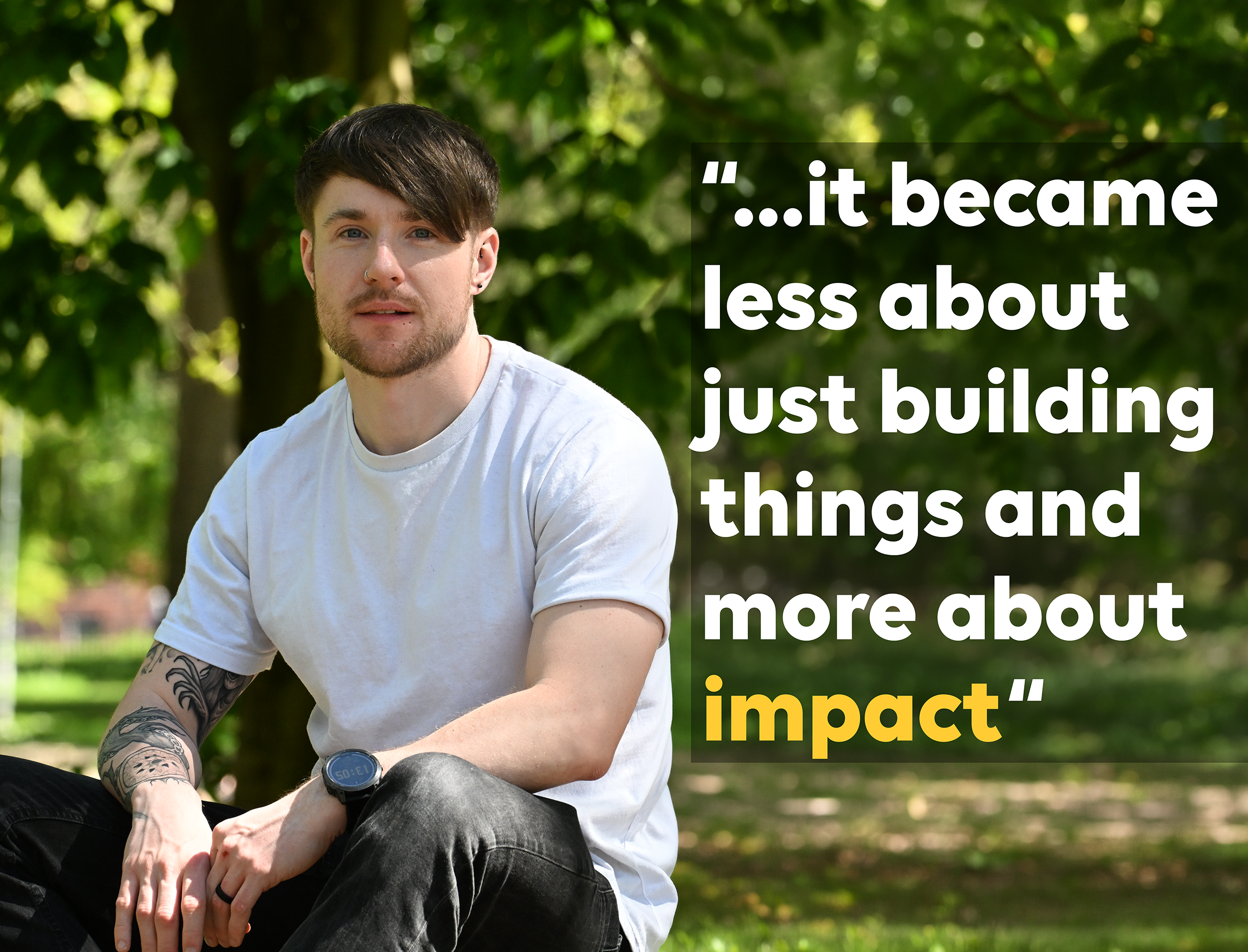
Peter Evans is the CEO at Orderly, a B-Corp using AI and tech to cut food waste and improve operations in foodservice and retail. He is our Entrepreneur in Residence for AI and Data.
IF: You’ve sat on both sides of the table, Peter, like many of our academic founders and future founders will do. Looking back across your career, was there a moment – or a series of moments – that pushed you from pure technical curiosity into building commercial products?
PE: I think it started quite early for me. I used to build MySpace templates years ago. It was just curiosity at first, but then people started asking for them and I realised I could actually package and sell what I was building.
That shift from “this is interesting” to “someone values this enough to pay for it” stuck with me.
Later on, it became less about just building things and more about impact. Moving towards building products that deliver real outcomes, and eventually becoming a B-Corp, was part of that. It forced me to think beyond technical output and towards real-world value and wider benefit.
IF: You’ve worked on systems that rely on complex data and AI. What’s one technical challenge you didn’t see coming, and how did overcoming it change the way you approach innovation?
PE: One thing I didn’t fully appreciate early on was the cost and complexity of data storage and transformation at scale.
When you’re operating globally, moving and processing data across regions gets expensive and slow very quickly. It’s not just a technical problem, it’s a commercial one.
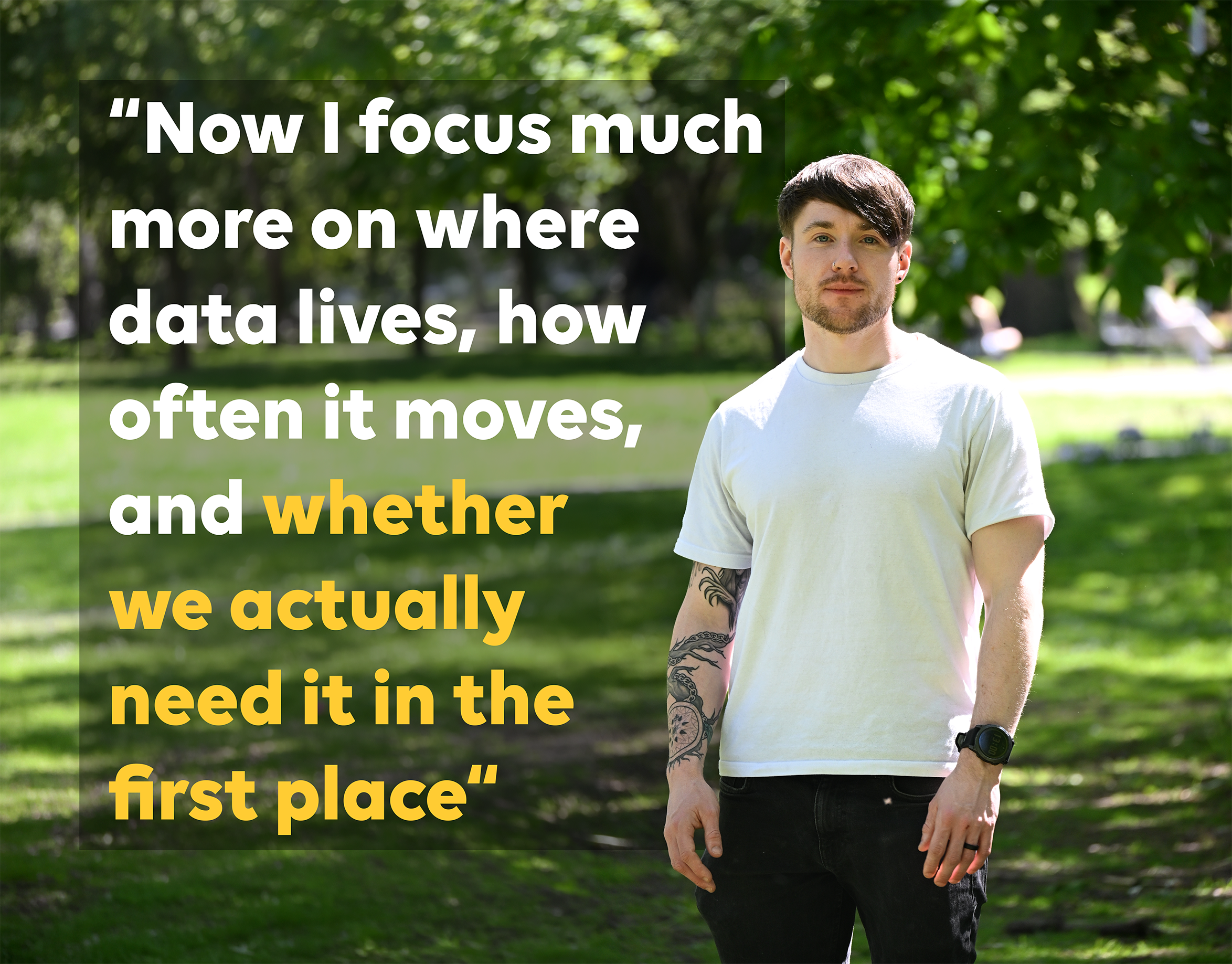
It changed how I think about systems. Now I focus much more on where data lives, how often it moves, and whether we actually need it in the first place. Simpler pipelines, less duplication, and being very deliberate about what we store to get the output we want has made a big difference.
IF: Many researchers struggle to know when an idea is ready to move beyond the lab. From your experience, what are the signs that it’s time to turn a prototype into a product?
PE: The clearest signal is simple – someone wants to pay for it.
You can have a great prototype, strong research, and good results, but until someone is willing to commit money or real usage, it’s still theoretical.
Even better is when someone wants to pay before it’s fully built. That shows you’re solving a real problem, not just an interesting one.
IF: AI is evolving incredibly fast. Which emerging capability or shift do you think researchers should be paying attention to right now, especially if they’re considering a spinout?
PE: I’d focus on a few areas.
First, multimodal AI – systems that can handle text, images, video and audio together. That opens up much more practical, real-world use cases.
Second, agent-based systems – where AI can take actions, not just generate outputs. That’s where you start automating real workflows.
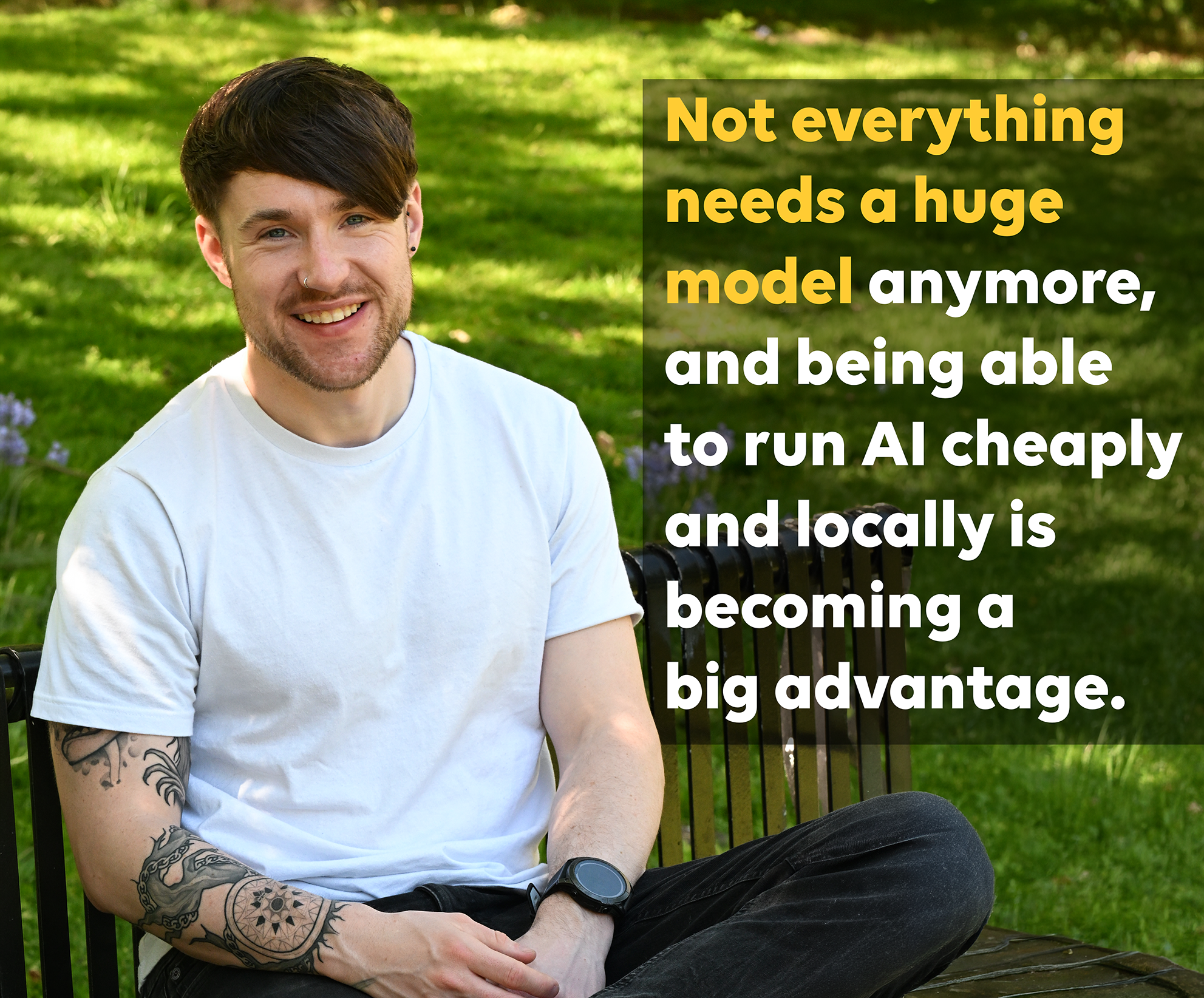
Third, smaller, more efficient models. Not everything needs a huge model anymore, and being able to run AI cheaply and locally is becoming a big advantage.
The key is thinking less about the model itself and more about what job it’s doing for the user.
IF: You’ve built and led teams in the AI and data space. What does a genuinely high‑performing team look like to you?
PE: A high performing team ships quickly and focuses on outcomes.
There’s no blame culture. People take ownership and fix problems fast.
Everyone understands the customer and the end goal, not just their part of the system. That means fewer handoffs and less wasted work.
And importantly, they prioritise getting something useful into the hands of users over making something perfect in isolation (that might not work in the real world anyway!).
IF: You’ve spent time working with the University of Manchester Innovation Factory as an Entrepreneur in Residence. What have you seen here that gives you confidence in the potential of our researchers and spinouts?
PE: The quality of both the research and the people stands out.
Some of the work is genuinely deep and defensible, which gives it real commercial potential. But just as important, the founders I’ve met want to make it work. They’re open to feedback and willing to adapt.
That combination of strong underlying research and a mindset geared towards execution is what gives me confidence.
IF: If an academic has a brilliant idea but is hesitant about commercialising it, what would you say to them?
PE: Speak to the Innovation Factory!
There isn’t just one way to do this, and you don’t have to figure it out alone. They can help you explore options and take the first step in a low-risk way.
And honestly, it’s a great journey. You learn fast, you meet interesting people, and you get to see your work have real impact.