




The University of Manchester spinout, Apini, have developed a new series of small molecule compounds, specifically designed to inhibit the pro-inflammatory activity of eNAMPT

Extracellular NAMPT (eNAMPT/PBEF/visfatin) has been implicated in the pathophysiology of a range of chronic inflammatory diseases, such as inflammatory bowel disease, diabetes, cardiovascular disease, and rheumatoid arthritis.
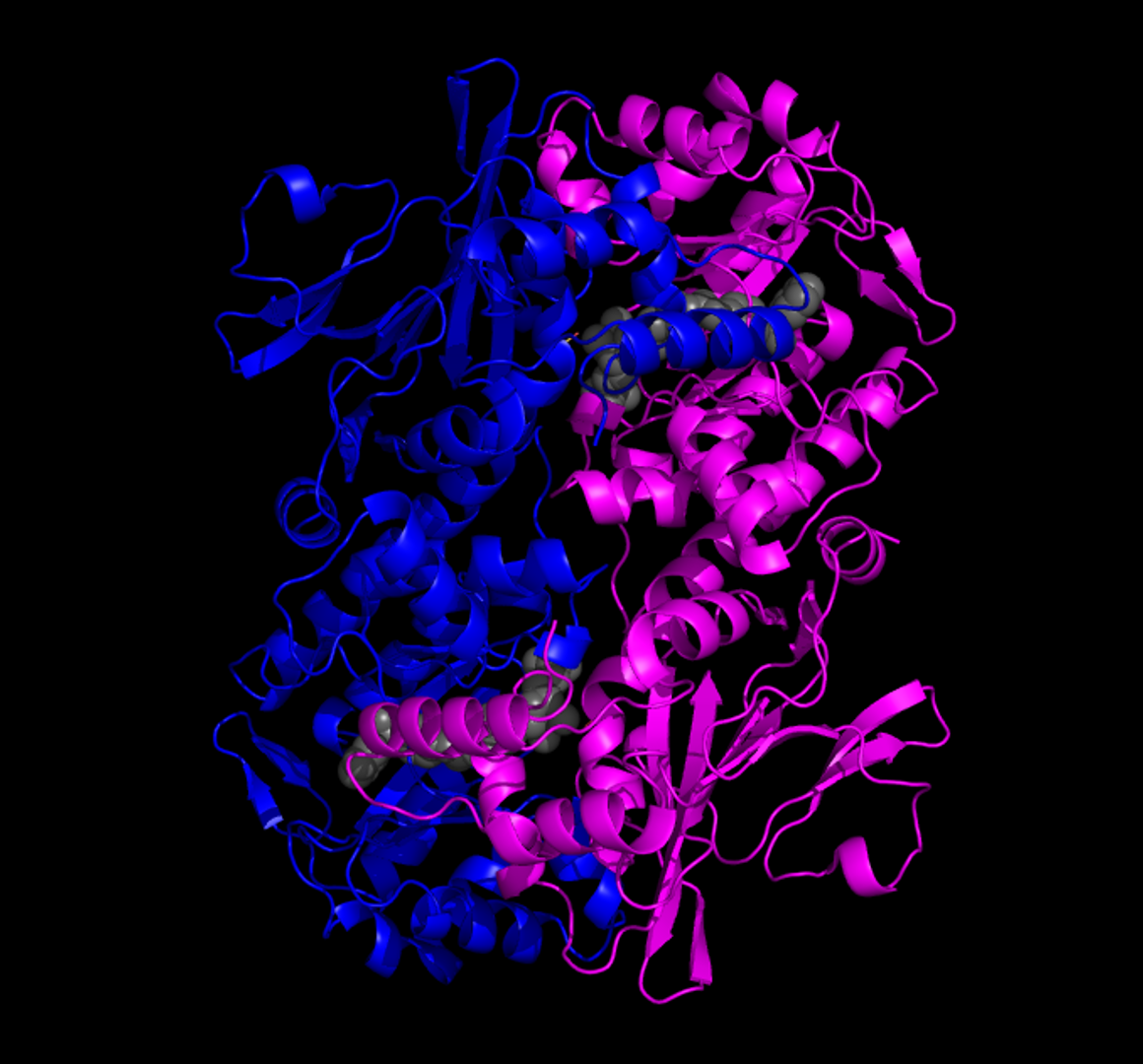
eNAMPT modulator
Apini are building on the emerging relationship between eNAMPT and disease and the discovery that the proinflammatory effects of eNAMPT can be blocked by small molecules that specifically target the extracellular protein.
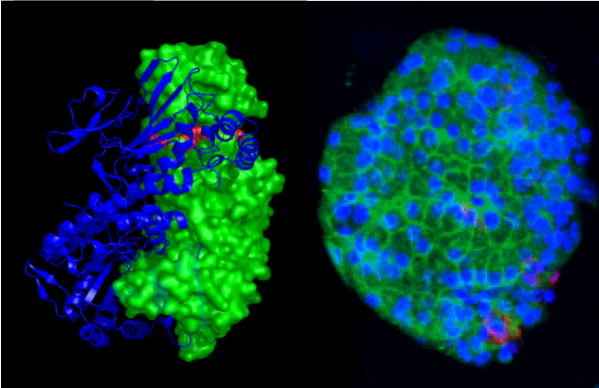
A crystal structure of the NAMPT protein bound to one of their compounds (left) alongside an image of an islet showing improvement in beta cell number following compound treatment (right)
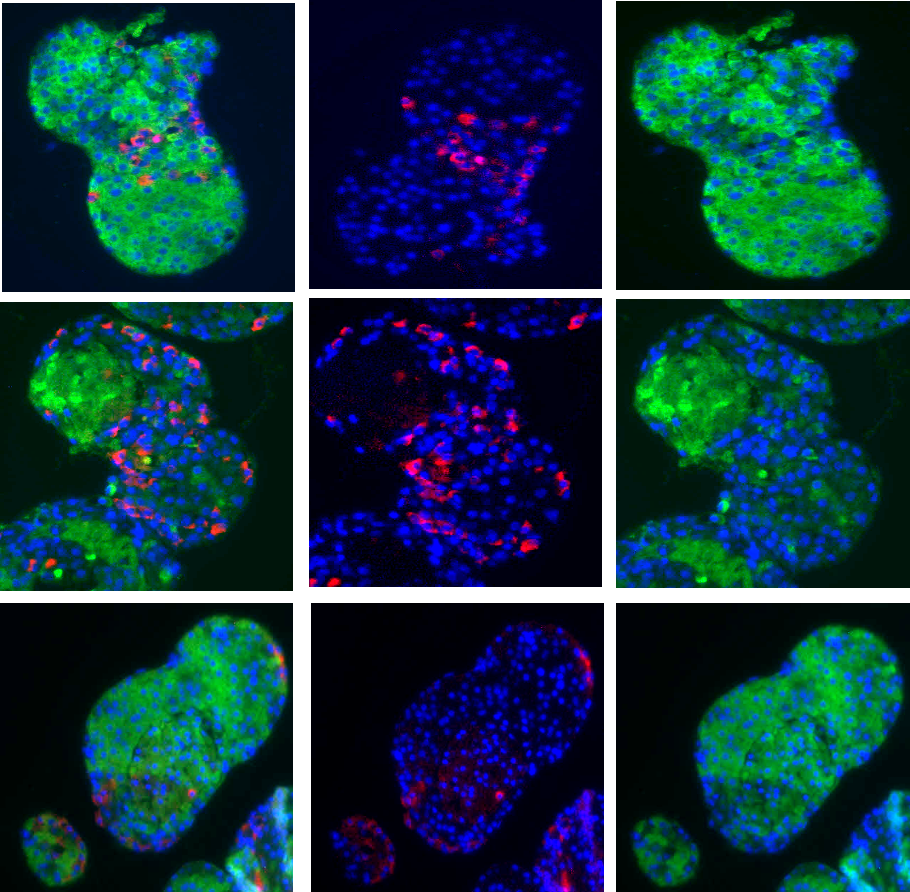
eNAMPT cells
With funding from Syncona/Slingshot Therapeutics and Northern Gritstone, the team are currently optimising their lead compounds towards clinical candidates for treatment of inflammatory bowel disease and other inflammatory disorders.

Dr Sam Butterworth and researcher, Blanca Risa